How Long Does Ceramic Coating Last? Longevity & Durability
How Long Does Ceramic Coating Last? Understanding Ceramic Coating Lifespan and Durability for Vehicle Paint Protection
Ceramic coatings have become a popular choice for vehicle owners seeking long-lasting paint protection. These advanced coatings provide a durable barrier against environmental damage, scratches, and fading, significantly enhancing the longevity of a vehicle's exterior. In this article, we will explore the factors that influence the lifespan of ceramic coatings, compare professional applications to DIY methods, and discuss maintenance practices that can extend their effectiveness. Additionally, we will cover warranty guidelines and reapplication strategies to ensure your investment in ceramic coating remains protected over time.
What Factors Determine the Lifespan of Ceramic Coatings?
The lifespan of ceramic coatings is influenced by several key factors, including product quality, application method, and environmental conditions. Understanding these elements can help vehicle owners make informed decisions about their paint protection solutions.
How Do Product Quality and Coating Grade Affect Durability?
The quality of the ceramic coating product plays a crucial role in its durability. High-quality ceramic coatings are formulated with advanced materials that provide superior protection against environmental elements. For instance, premium coatings often contain higher concentrations of silica, which enhances their hardness and resistance to scratches. Additionally, the grade of the coating can vary significantly between brands, with reputable manufacturers typically offering products that last longer and perform better. Investing in a high-grade ceramic coating can lead to a more durable finish that withstands the test of time.
Research further elaborates on the fundamental properties that make silicon-based ceramic coatings highly effective and durable.
A study highlights the advanced material science behind these protective layers.
Silicon-Based Ceramic Coatings: Properties & Durability
Silicon-based polymers are outstanding materials for coating applications. These compounds have excellent properties, such as strong adhesion to most substrates, and high chemical, thermal and UV resistance. Additionally, they can be converted into ceramic materials (polymer-derived ceramics) by a heat treatment and, in some cases, by chemical reactions or radiation. Hence, ceramic coatings can be obtained after deposition of the polymers by simple lacquer techniques. The properties and composition of polymeric and ceramic coatings can be changed by tailoring the chemical structure of the precursors or by the addition of fillers. This enables the preparation of coatings with a great variety of properties for different applications.
Polymeric and ceramic silicon-based coatings–a review, Q Li, 2019
Ceramik King Coatings specializes in high-quality ceramic coatings that provide long-lasting resistance against environmental damage, scratches, and fading. Their products are designed to deliver optimal performance and protection for vehicle owners.
What Role Does Application Method Play in Longevity?
The method of application is another critical factor that affects the longevity of ceramic coatings. Professional application typically ensures a more thorough and even coating, which can significantly enhance durability. Professionals are trained to prepare the vehicle's surface properly and apply the coating in controlled conditions, minimizing the risk of imperfections. In contrast, DIY applications may lead to uneven coverage or improper curing, which can compromise the coating's effectiveness and lifespan. Therefore, choosing a professional service for ceramic coating application can be a wise investment for long-term protection.
How Does Professional Ceramic Coating Compare to DIY Applications in Durability?
When considering ceramic coatings, many vehicle owners weigh the benefits of professional services against DIY options. Understanding the differences in durability and overall value can help in making the right choice.
What Are the Benefits of Professional Ceramic Coating Services?
Professional ceramic coating services offer several advantages that contribute to enhanced durability. Firstly, trained technicians have the expertise to apply the coating correctly, ensuring optimal adhesion and coverage. Secondly, many professional services provide warranties that guarantee the coating's performance over time, offering peace of mind to vehicle owners. Lastly, professional-grade products used in these services often outperform DIY alternatives, resulting in a more resilient finish that can last for years.
How Does DIY Application Impact Coating Lifespan?
While DIY ceramic coating kits can be more affordable, they often come with risks that can affect the coating's lifespan. Common pitfalls include improper surface preparation, uneven application, and inadequate curing time. These mistakes can lead to premature degradation of the coating, reducing its effectiveness against scratches and environmental damage. Therefore, while DIY applications may save money upfront, they can result in higher costs in the long run due to the need for reapplication or repairs.
What Maintenance Practices Extend the Life of Ceramic Coatings?
To maximize the lifespan of ceramic coatings, regular maintenance is essential. Implementing effective cleaning and care techniques can significantly enhance the durability of the coating.
Which Cleaning and Care Techniques Maximize Durability?
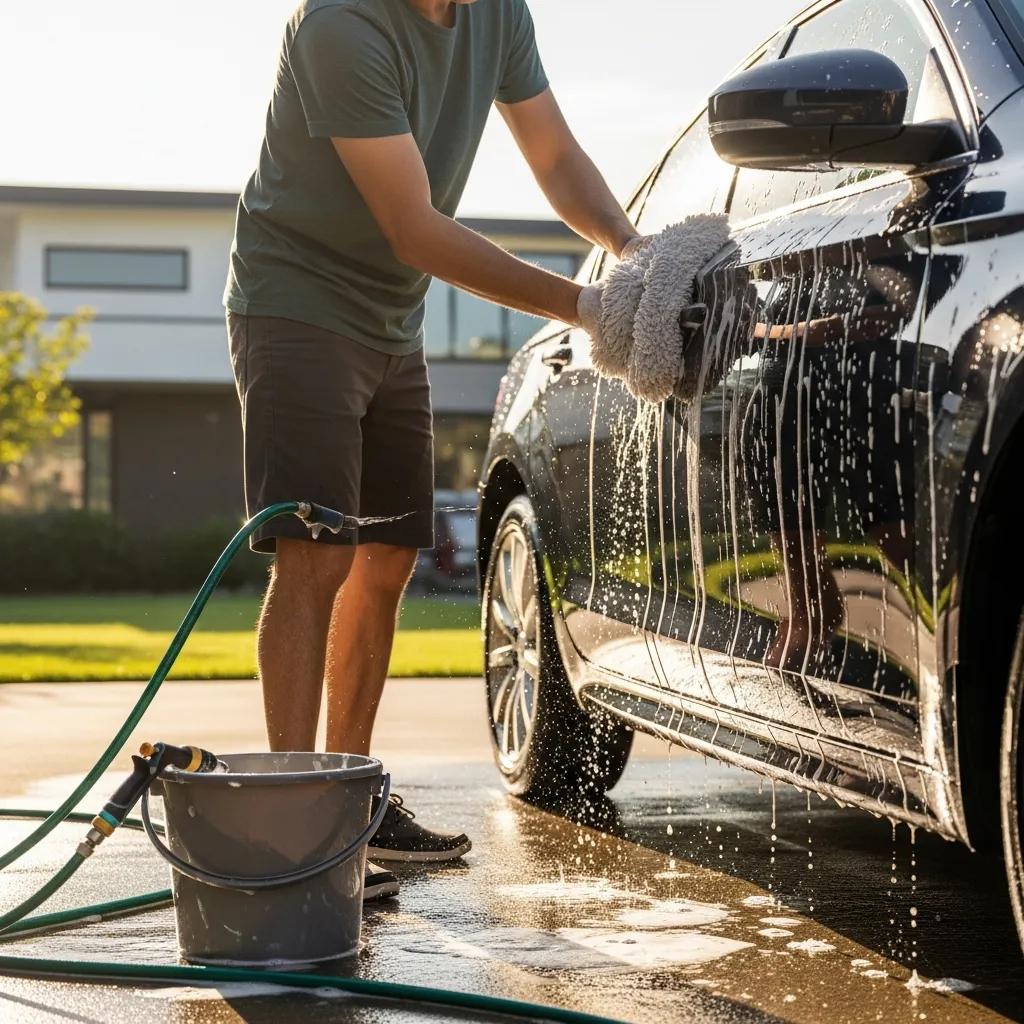
Proper cleaning techniques are vital for maintaining the integrity of ceramic coatings. Vehicle owners should use pH-neutral car shampoos and microfiber cloths to avoid scratching the surface. Additionally, regular washing—ideally every two weeks—helps remove contaminants that can degrade the coating over time. It is also advisable to avoid automatic car washes that use harsh chemicals or abrasive brushes, as these can damage the coating.
How Often Should Maintenance Be Performed to Preserve Protection?
Maintenance frequency is crucial for preserving the protective qualities of ceramic coatings. Experts recommend performing maintenance checks every three to six months, depending on environmental conditions and usage. During these checks, vehicle owners should inspect the coating for signs of wear and apply maintenance products specifically designed for ceramic coatings to enhance their longevity. By adhering to a regular maintenance schedule, vehicle owners can ensure their ceramic coatings remain effective for years to come.
| Maintenance Practice | Frequency | Recommended Products |
|---|---|---|
| Regular Washing | Every 2 weeks | pH-neutral car shampoo |
| Maintenance Check | Every 3-6 months | Ceramic coating maintenance products |
| Professional Inspection | Annually | Professional-grade ceramic coatings |
This table outlines essential maintenance practices that can help extend the life of ceramic coatings, ensuring optimal performance and protection.
What Are the Warranty and Reapplication Guidelines for Ceramic Coatings?
Understanding warranty terms and reapplication guidelines is crucial for vehicle owners investing in ceramic coatings. These factors can significantly impact the overall value and longevity of the coating.
How Do Warranty Periods Reflect Coating Longevity?
Warranty periods for ceramic coatings typically range from two to seven years, depending on the product and application method. A longer warranty often indicates a higher level of confidence in the coating's durability and performance. Vehicle owners should carefully review warranty terms to understand what is covered and the conditions that must be met to maintain the warranty. Following the manufacturer's guidelines for maintenance and care is essential to ensure the warranty remains valid.
When and How Should Ceramic Coatings Be Reapplied?
Reapplication of ceramic coatings may be necessary after the warranty period or if the coating shows signs of wear. Vehicle owners should look for indicators such as reduced hydrophobic properties or visible scratches. When reapplying, it is crucial to thoroughly clean and prepare the surface to ensure proper adhesion of the new coating. Professional services can provide guidance on the best practices for reapplication, ensuring that the vehicle remains protected for years to come.
In conclusion, understanding the factors that influence the lifespan of ceramic coatings, the benefits of professional application, and the importance of maintenance can help vehicle owners make informed decisions about their paint protection solutions. By investing in high-quality products and adhering to recommended practices, vehicle owners can enjoy the long-lasting benefits of ceramic coatings for their vehicles.

