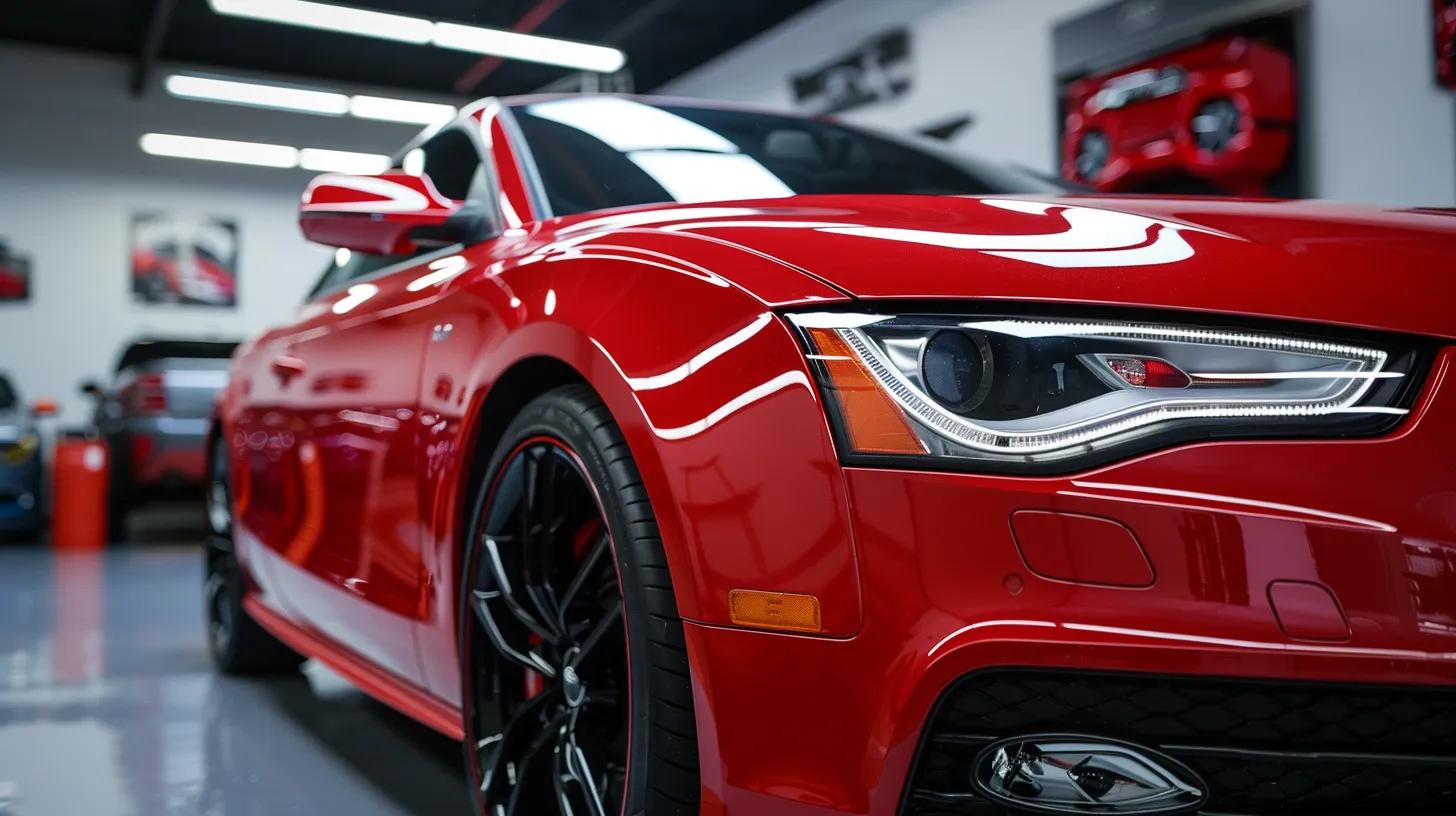
How Ceramic Coating Enhances Your Car's Appearance and Longevity
How Ceramic Coating Enhances Your Car's Appearance and Longevity

Ceramic coating has emerged as a popular solution for car enthusiasts and everyday drivers alike, offering a blend of aesthetic enhancement and long-lasting protection. This advanced technology involves applying a liquid polymer to the exterior of a vehicle, which chemically bonds with the factory paint, creating a protective layer. The result is not only a stunning shine but also a formidable defense against environmental contaminants, UV rays, and minor scratches. In this article, we will explore the key benefits of ceramic coating, the application process, its durability compared to traditional wax, and essential maintenance practices to ensure longevity. By understanding these aspects, car owners can make informed decisions about protecting their vehicles.
Further research delves into the intricate chemical bonding mechanisms that enable ceramic coatings to adhere effectively and provide robust protection.
Chemical Bonding Mechanisms in Ceramic Coatings
Thermal spraying is the most important coating technology for depositing advanced ceramic coatings which have been widely applied to different industrial fields for materials protection and various physical–chemical functions. The adhesion and cohesion are of primary importance for the successful applications of ceramic coatings. Three bonding mechanisms contribute to the enhancement of the adhesion and cohesion, including mechanical interlocking, physical bonding and chemical bonding. It is still challenging to achieve chemical bonding in thermally-sprayed coatings.
Development of Car Coating Materials over the Past Decade for Paint Protection Applications—
An Overview on the Different Types of Paint Protections, U Nirmal, 2025
What Are the Key Benefits of Ceramic Paint Protection?
Ceramic coatings provide several significant advantages that enhance both the appearance and longevity of a vehicle's paint.
- Durability: Ceramic coatings are known for their long-lasting protection, often outlasting traditional waxes and sealants.
- Enhanced Appearance: The application of ceramic coating results in a high-gloss finish that enhances the vehicle's color and depth.
- Protection Against Contaminants: These coatings create a hydrophobic surface that repels water and dirt, making it easier to clean the vehicle.
For those looking to invest in professional ceramic coating services, Ceramik King Coatings specializes in providing high-quality applications designed to enhance vehicle appearance and longevity by offering durable paint protection.
How Does Ceramic Coating Provide Hydrophobic and Scratch-Resistant Surfaces?
Ceramic coatings are engineered to create a hydrophobic surface that repels water, preventing it from adhering to the paint. This property helps in keeping the vehicle cleaner for longer and reduces the risk of water spots and mineral deposits. Additionally, the scratch-resistant nature of ceramic coatings means that they can withstand minor abrasions and swirl marks, preserving the vehicle's appearance over time. This combination of hydrophobic and scratch-resistant features significantly enhances the ease of maintenance for vehicle owners.
The development of polymer-derived ceramic coatings further highlights the scientific advancements behind these hydrophobic properties, enabling superior water and dirt repellency.

Polymer-Derived Hydrophobic Ceramic Coatings
A polymer-derived ceramic coating could be applied to converting ceramic substrates, having hydrophobic properties. The ceramic coating was formed via pyrolysis of preceramic precursors.
Robust super‐hydrophobic ceramic coating on alumina with water and dirt repelling properties, Y Li, 2019
What Long-Term Appearance Improvements Can Owners Expect?
Over time, ceramic coatings can lead to substantial improvements in a vehicle's appearance. Owners can expect enhanced gloss and vibrancy, which can make the car look newer for longer. Furthermore, the protective layer helps to prevent fading and oxidation caused by UV exposure, ensuring that the paint retains its original color and shine. Many vehicle owners report reduced maintenance frequency, as the hydrophobic properties of the coating make it easier to wash off dirt and grime.
How Does the Ceramic Coating Application Process Work?
The application of ceramic coating involves several professional steps to ensure optimal results.
- Surface Preparation: This initial step includes thorough washing, decontamination, and paint correction to remove imperfections.
- Application of Coating: The ceramic coating is then carefully applied to the vehicle's surface, ensuring even coverage.
- Curing Process: After application, the coating requires a curing period to bond effectively with the paint.
Ceramik King Coatings offers professional application services that guarantee a high-quality finish, ensuring that the coating performs as intended.
What Are the Professional Steps for Applying Ceramic Coating?
The professional application of ceramic coating involves a meticulous process that begins with an initial assessment of the vehicle. This is followed by surface preparation, which includes washing and paint correction to eliminate any imperfections. Once the surface is ready, the ceramic coating is applied in a controlled environment to ensure optimal bonding. Finally, the vehicle is left to cure for a specified period, allowing the coating to harden and provide maximum protection.
How Does Application Time Affect Coating Durability?
The duration of the application process can significantly impact the durability of the ceramic coating. A thorough application, including adequate curing time, ensures that the coating bonds effectively with the paint. Insufficient curing can lead to premature failure of the coating, reducing its protective capabilities. Therefore, it is essential to follow the recommended application and curing times to achieve the best results.
How Durable Is Car Ceramic Coating Compared to Traditional Wax?
When comparing ceramic coatings to traditional wax, the differences in durability are striking.
- Lifespan Comparison: Ceramic coatings can last two to five years, while wax typically needs to be reapplied every few months.
- Protection Level Differences: Ceramic coatings offer superior protection against UV rays, chemical stains, and environmental contaminants compared to wax.
This long-lasting protection makes ceramic coatings a more cost-effective solution in the long run, as they require less frequent reapplication.
What Is the Typical Lifespan of Ceramic Coatings?
The typical lifespan of ceramic coatings can range from two to five years, depending on the product used and the conditions to which the vehicle is exposed. Factors such as maintenance practices and environmental conditions can also influence the longevity of the coating. Regular maintenance can help maximize the lifespan of the ceramic coating, ensuring that it continues to provide effective protection.
How Does Ceramic Coating Compare to Wax in Paint Protection?
Ceramic coatings provide a level of protection that far exceeds that of traditional wax. While wax can offer a temporary shine and some protection against the elements, it does not provide the same level of durability or resistance to scratches and contaminants. Ceramic coatings, on the other hand, create a robust barrier that protects the paint from various environmental factors, making them a superior choice for long-term vehicle care.
Academic studies further elaborate on the distinct characteristics and performance differences between ceramic and traditional wax coatings for automotive paint protection.
Car Paint Protection: Ceramic vs. Wax Coatings
The main categories of paint protection coatings include wax and ceramic, with differences in methods, protective performance, and limitations. Wax coatings can help maintain and extend the durability of the primary coating.
Development of Car Coating Materials over the Past Decade for Paint Protection Applications—
An Overview on the Different Types of Paint Protections, U Nirmal, 2025
What Maintenance Is Required to Maximize Ceramic Coating Longevity?
To ensure that ceramic coatings maintain their protective qualities, regular maintenance is essential.
- Regular Washing: It is recommended to wash the vehicle every two weeks to remove dirt and contaminants.
- Use of pH-Neutral Products: When cleaning, using pH-neutral soaps helps to preserve the integrity of the coating.
- Avoiding Harsh Chemicals: Steering clear of abrasive cleaners and harsh chemicals will prevent damage to the coating.
By following these maintenance practices, vehicle owners can maximize the longevity and effectiveness of their ceramic coatings.
How Often Should Ceramic Coatings Be Maintained?
Ceramic coatings should be maintained regularly to ensure they continue to perform effectively. A washing schedule of every two weeks is ideal, as this helps to remove any buildup of dirt and contaminants that could compromise the coating. Additionally, periodic inspections can help identify any areas that may require touch-ups or additional care.
What Are Best Practices for Cleaning and Care?
To maintain the integrity of ceramic coatings, it is crucial to follow best practices for cleaning and care.
- Use pH-Neutral Products: These products are gentle on the coating and help to preserve its hydrophobic properties.
- Avoiding Harsh Chemicals: Chemicals that are too abrasive can damage the coating and reduce its effectiveness.
- Regular Inspections: Checking the coating periodically can help identify any issues early on, allowing for timely maintenance.
By adhering to these best practices, vehicle owners can ensure that their ceramic coatings remain effective and continue to enhance the appearance and longevity of their vehicles.

