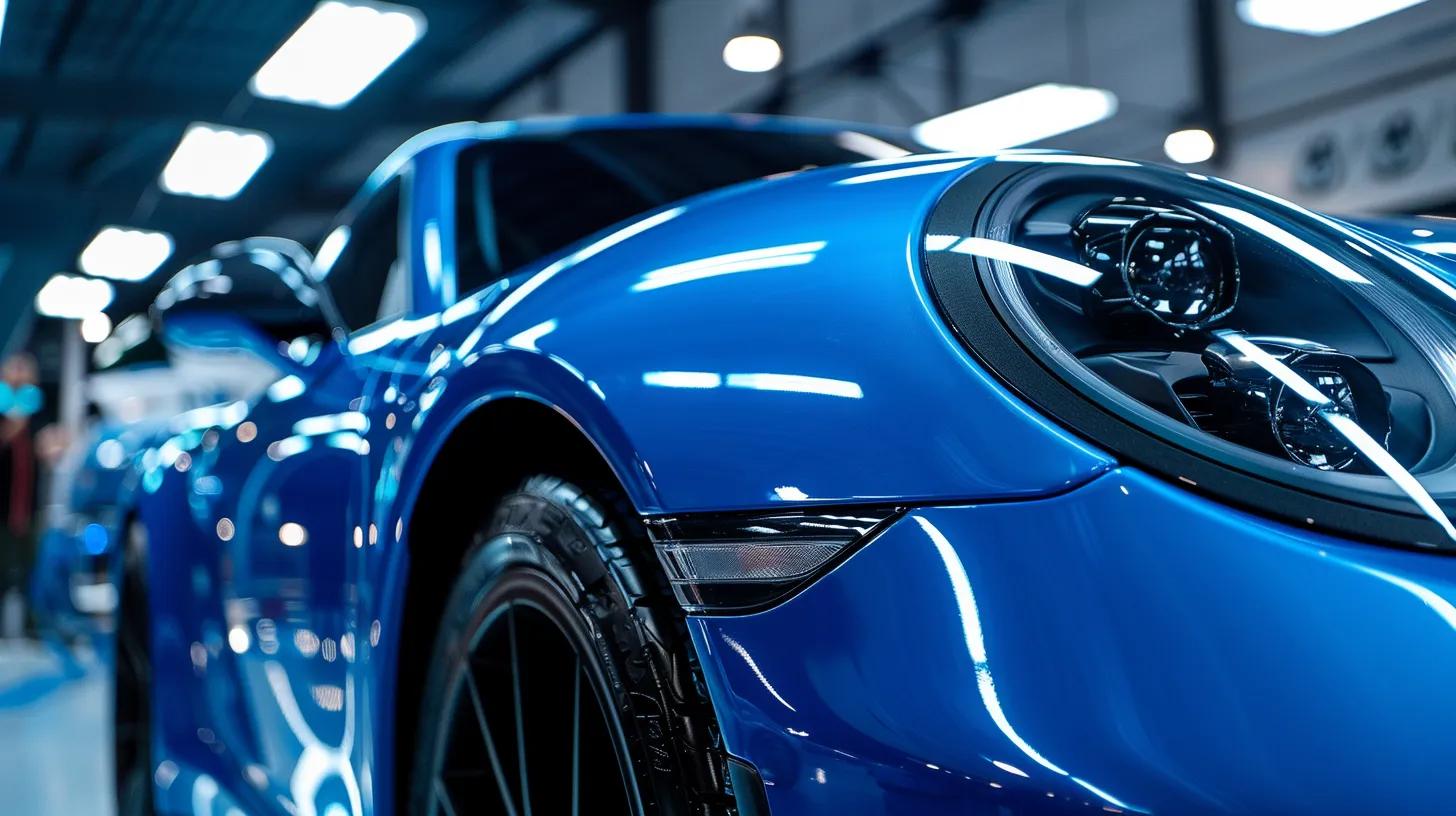
Why Ceramic Coating Outlasts Traditional Protectants
Why Ceramic Coating Outlasts Traditional Protectants

Why Ceramic Coating Outlasts Traditional Protectants: Understanding Durability and Benefits
Ceramic coatings have emerged as a superior alternative to traditional protectants like wax and sealants, offering enhanced durability and long-lasting protection for automotive surfaces. This article delves into the reasons behind the longevity of ceramic coatings, exploring their chemical composition, protective properties, and maintenance requirements. Many vehicle owners face challenges with frequent reapplication and inadequate protection from environmental damage. Ceramic coatings provide a robust solution, ensuring vehicles remain shielded from scratches, UV rays, and chemical stains. We will cover the key differences between ceramic coatings and traditional protectants, their application processes, and the long-term benefits they offer.
What Makes Ceramic Coating More Durable Than Wax and Sealants?
Ceramic coatings are renowned for their durability, primarily due to their unique chemical composition. Unlike traditional waxes and sealants, which can wear off quickly, ceramic coatings form a strong bond with the vehicle's surface, creating a protective layer that can last for years. This durability is attributed to the advanced technology used in ceramic coatings, which includes nano-ceramic particles that enhance the coating's resilience against environmental factors.
Further research highlights how these nano-coating technologies provide superior protection against corrosion and wear, enhancing the overall durability of metallic substrates.
Nano Ceramic Coatings for Automotive Corrosion & Wear Protection
Nano-coating technologies are showing positive signs in corrosion protection due to their simplicity of maintenance, less expensive, and applicability to metallic substrates. It has been widely used to protect metallic compounds in automotive, aerospace, food, and biomedical metallic implants. Rather than micron-scale sizes, ceramic material coatings at nanoscale levels are gaining popularity through dense, uniform, and robust thin metal oxide coatings acting as effective corrosion barriers. Additionally, these coatings improve metallic substrates' hardness, wear resistance, and thermal properties.
A comprehensive review on various ceramic nanomaterial coatings over metallic substrates: applications, challenges and future trends, KL Arun, 2023
How Does Ceramic Coating Chemistry Enhance Longevity?
The chemistry behind ceramic coatings involves the formation of chemical bonds that create a hydrophobic layer on the surface of the vehicle. These bonds are significantly stronger than those found in wax or sealant products. The hydrophobic properties of ceramic coatings repel water and contaminants, preventing them from adhering to the surface. This not only keeps the vehicle cleaner for longer but also reduces the frequency of washing, ultimately extending the life of the coating.
The development of such water-repelling super hydrophobic coatings is crucial for various industrial applications, including automotive body protection.
Super Hydrophobic Coatings for Automotive Body Protection
The prediction of surface properties of novel water-repelling super hydrophobic/hydrophilic material as the coating is important for various industrial applications including textiles, garments, automotive parts (like car bodies and mirrors), construction, and medical devices.
Recent progress in super hydrophobic/hydrophilic self-cleaning surfaces for various industrial applications: a review, SK Sethi, 2018
What Are the Key Protective Properties of Ceramic Coatings?
Ceramic coatings offer several key protective properties that contribute to their longevity:
- Scratch Resistance: The hard surface of ceramic coatings provides a barrier against minor scratches and swirl marks.
- UV Protection: Ceramic coatings shield the vehicle's paint from harmful UV rays, preventing oxidation and fading.
- Hydrophobicity: The water-repellent nature of ceramic coatings helps to keep the surface clean by allowing dirt and grime to slide off easily.
These properties make ceramic coatings a preferred choice for those seeking long-term protection for their vehicles.
How Does Ceramic Coating Compare to Traditional Protectants?
When comparing ceramic coatings to traditional protectants, several factors come into play, including lifespan, maintenance frequency, and cost-effectiveness. Ceramic coatings typically last much longer than wax or sealants, which may require reapplication every few months. In contrast, a well-applied ceramic coating can last for several years, making it a more economical choice in the long run.
What Are the Differences Between Ceramic Coating and Wax?
- Durability: Ceramic coatings can last up to five years or more, while wax typically lasts only a few months.
- Application Process: Ceramic coatings require a more meticulous application process, often involving surface preparation and curing time.
- Cost: While the initial investment for ceramic coatings is higher, the long-term savings on maintenance and reapplication make them more cost-effective.
How Does Maintenance Differ Between Ceramic Coatings and Sealants?
Maintaining ceramic coatings differs significantly from traditional sealants. With ceramic coatings, the maintenance routine is simplified:
- Frequency of Reapplication: Ceramic coatings do not need to be reapplied as frequently as wax or sealants.
- Cleaning Methods: Regular washing with pH-neutral soap is sufficient, while wax may require specific products to maintain its effectiveness.
- Longevity of Protection: The protective qualities of ceramic coatings remain intact for years, reducing the need for constant upkeep.
What Are the Application and Maintenance Requirements for Ceramic Coatings?
Applying ceramic coatings involves a detailed process that ensures optimal bonding and protection. Understanding these requirements is crucial for achieving the best results.
What Is the Step-by-Step Ceramic Coating Application Process?
- Surface Preparation: Thoroughly wash and decontaminate the vehicle's surface to remove any dirt, grease, or old wax.
- Polishing: Polish the surface to eliminate imperfections and enhance the bonding of the coating.
- Application: Apply the ceramic coating in a controlled environment, ensuring even coverage.
- Curing: Allow the coating to cure for the recommended time, which can range from 24-72 hours, depending on the product.
How Should You Maintain Ceramic Coating for Long-Lasting Protection?
To maintain the integrity of ceramic coatings, follow these guidelines:
- Regular Cleaning: Wash the vehicle every few weeks with a pH-neutral soap to prevent buildup.
- Inspection: Regularly inspect the coating for any signs of wear or damage.
- Avoid Harsh Chemicals: Use only products specifically designed for ceramic coatings to avoid degrading the protective layer.
What Are the Long-Term Benefits and Industry Innovations in Ceramic Coatings?
Ceramic coatings not only provide immediate protection but also offer long-term benefits that enhance the overall value of the vehicle. Innovations in coating technology continue to improve their effectiveness and environmental impact.
How Does Ceramic Coating Enhance Gloss and Reduce Maintenance?
One of the standout features of ceramic coatings is their ability to enhance the gloss of the vehicle's paint. The reflective properties of the coating create a deep, glossy finish that enhances the vehicle's appearance. Additionally, the hydrophobic nature of ceramic coatings reduces the frequency of cleaning, allowing vehicle owners to enjoy a pristine look with minimal effort.
What Are the Latest Trends and Eco-Friendly Advances in Ceramic Coatings?
The ceramic coating industry is witnessing several trends and innovations, including:
- Nano-Ceramic Technology: Advances in nano-ceramic formulations are improving the durability and effectiveness of coatings.
- Sustainable Materials: Many manufacturers are focusing on eco-friendly materials that reduce environmental impact.
- Market Growth: The demand for ceramic coatings is increasing as more consumers recognize their benefits over traditional protectants.
These innovations not only enhance the performance of ceramic coatings but also align with the growing consumer preference for sustainable products.
Indeed, growing consumer awareness regarding vehicle protection against environmental factors like UV radiation and chemical corrosion is a key driver for the increasing demand for ceramic coatings.
Ceramic Coating Demand for Vehicle UV & Environmental Protection
Consumer awareness of vehicle protection against UV radiation, chemical corrosion, and other environmental issues is anticipated to increase demand for ceramic coating.
Future perspective of ceramic coating, R Roshan, 2024
| Property | Description | Benefit |
|---|---|---|
| Scratch Resistance | Hard surface that protects against minor scratches | Maintains vehicle appearance |
| UV Protection | Shields paint from harmful UV rays | Prevents oxidation and fading |
| Hydrophobicity | Water-repellent surface | Keeps the vehicle cleaner for longer |
The advancements in ceramic coating technology highlight the importance of choosing the right protective solution for automotive surfaces. As the industry evolves, consumers can expect even greater performance and sustainability from ceramic coatings.
Frequently Asked Questions
1. Can ceramic coatings be applied to all types of vehicles?
Yes, ceramic coatings can be applied to a wide range of vehicles, including cars, trucks, motorcycles, and even boats. The versatility of ceramic coatings makes them suitable for various surfaces, including painted, glass, and metal. However, it is essential to ensure that the surface is properly prepared before application to achieve optimal bonding and protection. Consulting with a professional detailer can help determine the best approach for your specific vehicle type and condition.
2. How long does it take for ceramic coatings to cure?
The curing time for ceramic coatings can vary depending on the specific product used. Generally, most ceramic coatings require a curing period of 24 to 72 hours after application. During this time, it is crucial to keep the vehicle in a controlled environment, away from moisture and contaminants, to ensure the coating bonds effectively. Following the manufacturer's guidelines will help achieve the best results and maximize the longevity of the coating.
3. Are there any risks associated with applying ceramic coatings?
While ceramic coatings are generally safe and effective, improper application can lead to issues such as streaking, uneven coverage, or inadequate bonding. These problems can diminish the protective qualities of the coating. To mitigate risks, it is advisable to have the coating applied by a trained professional who understands the nuances of the application process. Additionally, using high-quality products can further reduce the likelihood of complications.
4. How do environmental factors affect the performance of ceramic coatings?
Environmental factors such as UV exposure, temperature fluctuations, and pollution can impact the performance of ceramic coatings. While these coatings are designed to withstand harsh conditions, prolonged exposure to extreme elements can eventually degrade their effectiveness. Regular maintenance, including washing and inspections, can help preserve the coating's integrity and ensure it continues to provide optimal protection against environmental damage.
5. Can ceramic coatings be removed if necessary?
Yes, ceramic coatings can be removed, although the process is more complex than traditional wax or sealants. Removal typically involves using a specialized abrasive polish or compound to break down the coating. This process should be performed by a professional detailer to avoid damaging the underlying paint. If you are considering removing a ceramic coating, it is essential to consult with an expert to ensure the best outcome for your vehicle's surface.
6. What should I do if my ceramic coating shows signs of wear?
If you notice signs of wear on your ceramic coating, such as reduced hydrophobicity or visible scratches, it is essential to assess the situation promptly. Regular inspections can help identify issues early. Depending on the extent of the wear, you may need to reapply the coating or use a maintenance product designed for ceramic coatings to restore its protective properties. Consulting with a professional can provide guidance on the best course of action.
7. Are there any specific products recommended for maintaining ceramic coatings?
To maintain ceramic coatings effectively, it is crucial to use products specifically formulated for them. Look for pH-neutral soaps and maintenance sprays designed for ceramic coatings, as these will not degrade the protective layer. Avoid harsh chemicals or abrasive cleaners, as they can damage the coating. Regular washing and the occasional application of a ceramic maintenance spray can help enhance the coating's longevity and performance.

